The Most Expensive Part of an Industrial Router Isn't the Router
by B.C. 2026/06/20
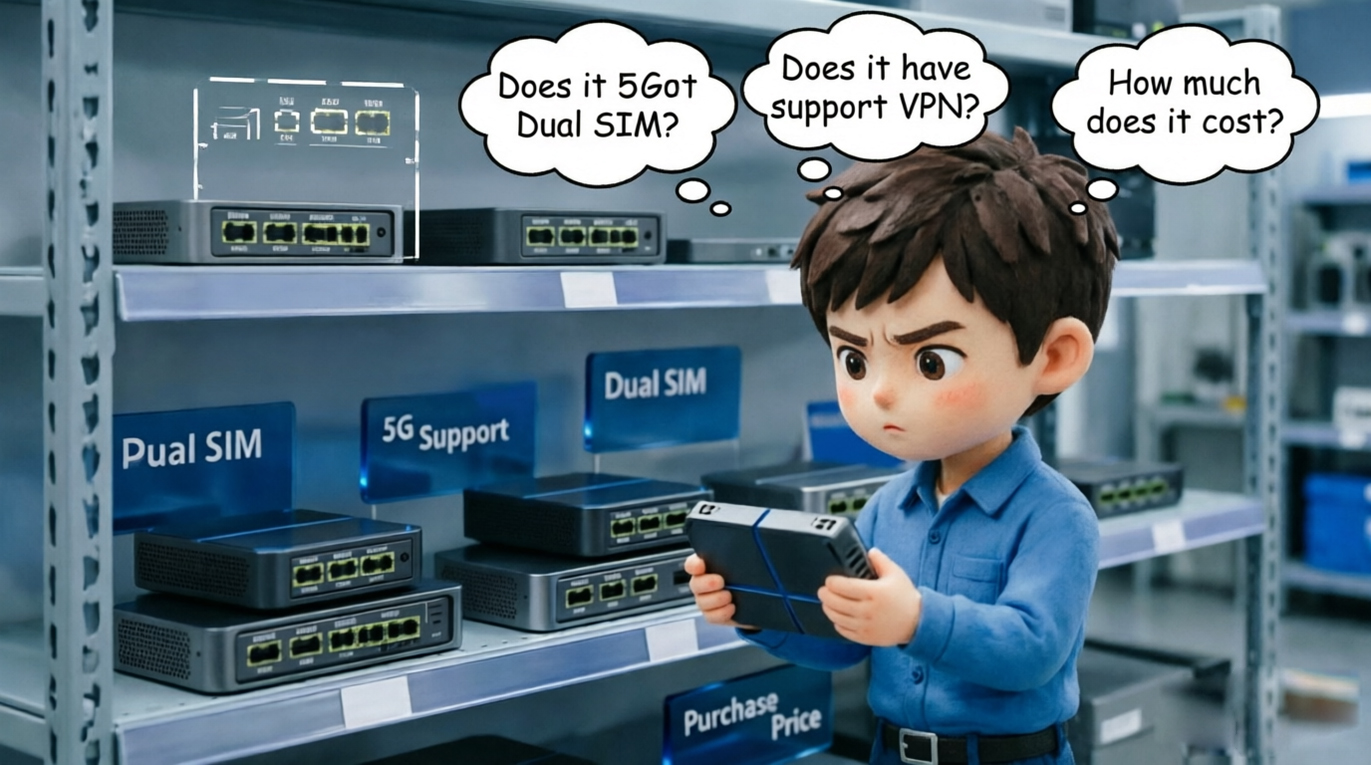
When evaluating industrial routers, most buyers focus on hardware specifications and purchase price.
Questions like:
- Does it support 5G?
- Does it have Dual SIM?
- Does it support VPN?
- How much does it cost?
are often at the top of the list.
But for organizations managing dozens, hundreds, or even thousands of remote sites, the most expensive part of an industrial router isn't the router itself.
It's the cost of maintaining it.
1. The Hidden Cost: Truck Rolls
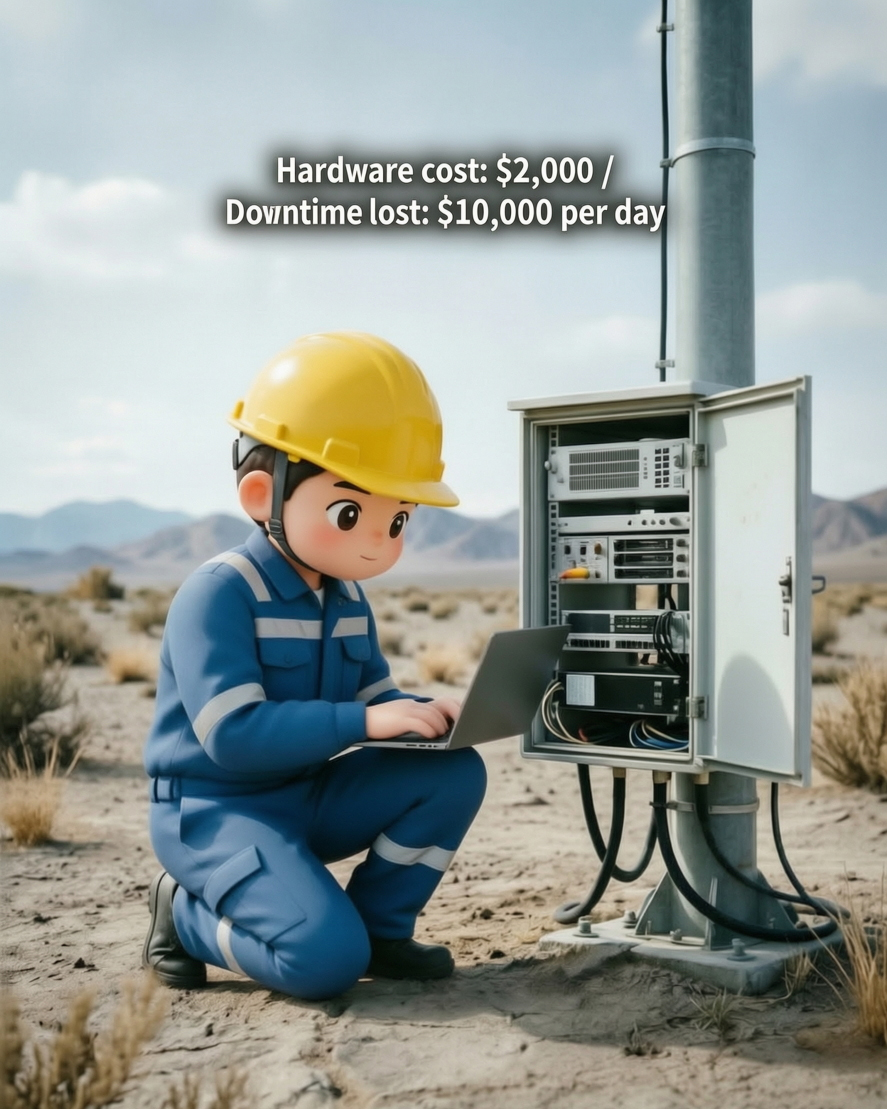
A typical industrial router may cost between $200 and $500.
At first glance, choosing a lower-cost device seems like an easy way to reduce project expenses.
However, what happens when a remote site goes offline?
In many deployments, the only option is to dispatch a technician to investigate the issue.
A single truck roll can easily cost $150 to $500, depending on location, travel time, labor costs, and service contracts.
Now consider a network of 100 remote locations.
If each site requires just one maintenance visit per year, operational expenses can quickly exceed the total hardware investment.
And if connectivity issues occur multiple times a year, the maintenance cost may become several times higher than the original device cost.
2. Downtime Costs More Than Hardware
For many applications, connectivity is mission-critical.
Examples include:
- Retail stores
- Digital signage
- Security systems
- ATMs
- EV charging stations
- Industrial monitoring
- Remote utility infrastructure
When a site loses connectivity, the impact extends beyond the router itself.
Lost transactions, service interruptions, delayed alarms, and operational disruptions can create costs far greater than replacing a device.
This is why modern industrial networking is no longer just about connectivity.
It's about uptime.
3. The Shift from Hardware to Management
The industry is moving away from viewing routers as standalone devices.
Instead, organizations are looking for solutions that reduce operational costs and improve network visibility.
The question is no longer:
"Which router should I buy?"
The question has become:
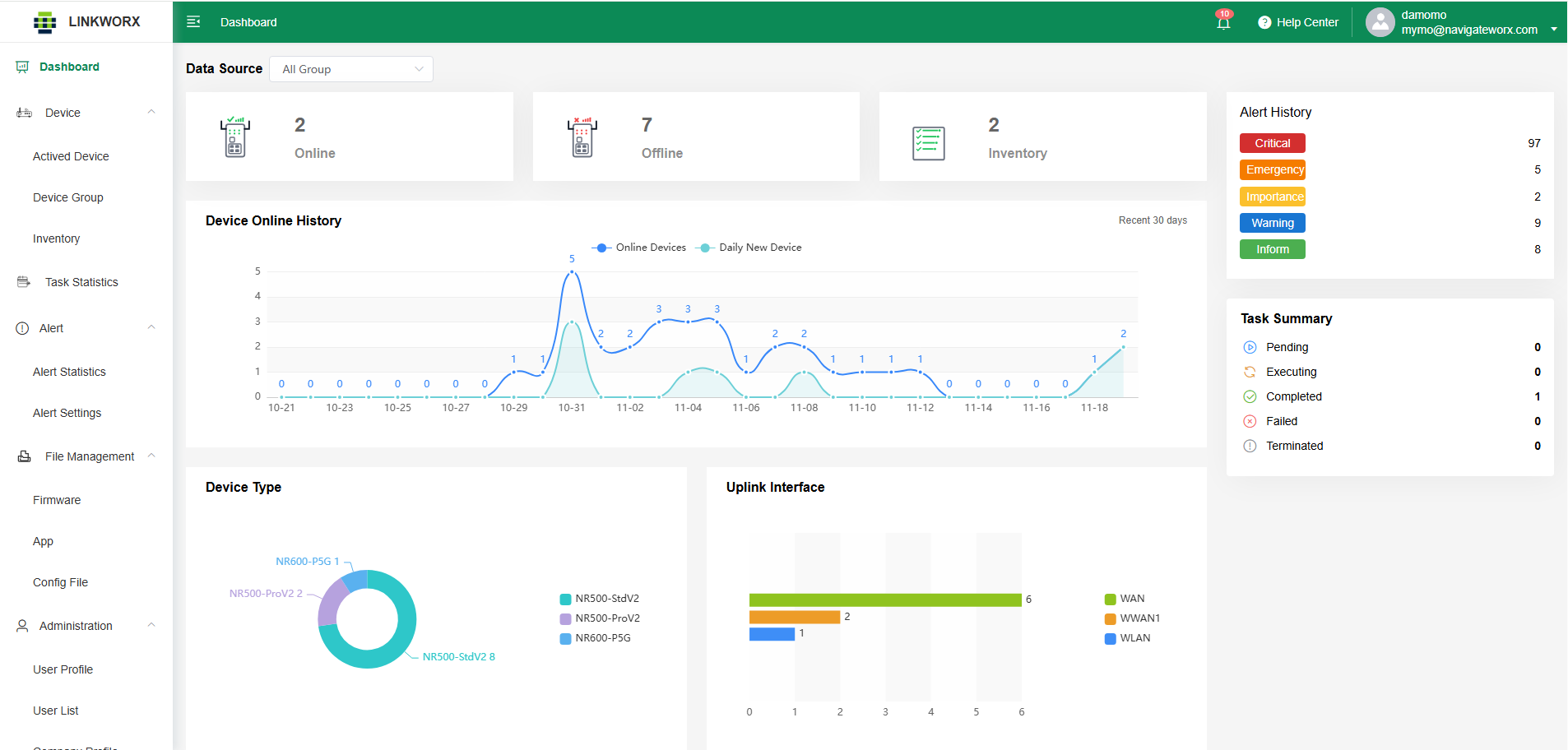
"How can I manage my entire network without sending technicians onsite?" - Reducing Truck Rolls with Cloud-Based Management.
A cloud-managed industrial router enables IT teams to diagnose and resolve many issues remotely.
Remote Monitoring
Gain real-time visibility into:
- Cellular signal strength
- WAN status
- VPN connectivity
- Data usage
- Device health
Potential problems can be identified before they become service outages.
Remote Diagnostics
Instead of dispatching a technician, administrators can remotely investigate:
- Network failures
- SIM-related issues
- Carrier connectivity problems
- VPN tunnel status
- Device performance
This significantly reduces troubleshooting time.
Remote Reboot and Recovery
Many connectivity issues can be resolved through a controlled remote reboot or service restart.
What once required a site visit can often be completed in minutes from a central management portal.
Remote Firmware and Configuration Management
Keeping devices updated no longer requires manual intervention.
Administrators can deploy firmware updates and configuration changes across hundreds of devices simultaneously, ensuring consistency and reducing maintenance overhead.
4. The Real ROI of an Industrial Router
The true value of an industrial router should not be measured solely by its purchase price.
It should be measured by its ability to:
- Reduce truck rolls
- Minimize downtime
- Improve visibility
- Simplify management
- Keep remote sites online
For modern distributed networks, operational efficiency often matters far more than hardware cost.
5. Beyond Connectivity
At NavigateWorx, we believe industrial routers should do more than provide connectivity. They should help organizations manage, monitor, and maintain remote networks from anywhere. Because in today's connected world, the most expensive part of an industrial router isn't the router itself. It's the cost of not being able to manage it remotely.